

Can cats drink cow's milk?
Top 3 truths: most cats are lactose intolerant, milk adds no nutrition, water is always best
Quick answer
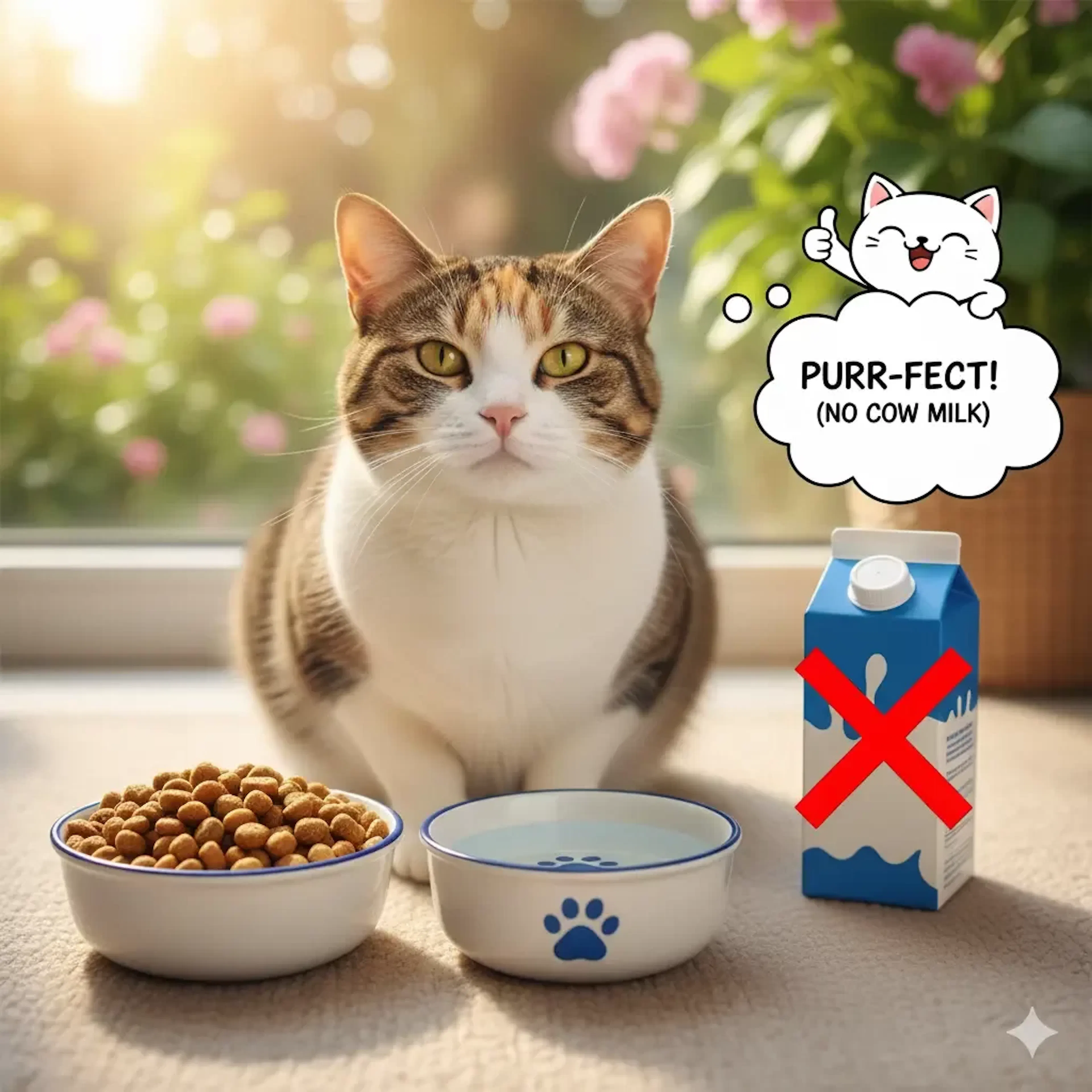
Most adult cats don't digest milk well. A few licks usually aren't dangerous, but bowls of cow's milk can trigger GI upset and add empty calories. Fresh water and complete cat food cover their nutritional needs.
Why cats drink milk
Cats crave milk due to its appealing taste, which smells fatty and familiar, and its high fat content. It evokes comfort, early nourishment, and feeding, so some adult cats still seek that taste. Preference isn't proof of suitability - liking a food doesn't make it appropriate for a cat's diet.
Kittens: what's safe - and what isn't
For kittens, mother's milk is the gold standard during the first weeks of life, supplying vital antibodies and nutrients. As kittens drink milk from their mother, they build the foundation for healthy growth. Kittens are born with the enzyme lactase, allowing them to digest lactose in their mother cat's milk.
During the weaning process, which occurs around 6–8 weeks of age, kittens transition to solid food and water and are usually fully weaned by 8–10 weeks. At this stage, a specially formulated kitten food ensures they get the right balance of protein, fat, and calories for their rapid development.
As they mature, lactase production declines, and many adult cats become lactose intolerant, making milk difficult to digest and potentially causing digestive upset such as gas, cramps, or diarrhea.
Young kittens should only drink their mother's milk or a specially formulated kitten milk formula that closely mimics it, providing essential enzymes and nutrients for healthy development. Cow's milk and plant-based milks, such as almond, soy, or goat milk, are unsuitable for kittens because their sensitive stomachs can lead to diarrhea and poor growth.
Adult cats and milk
For adult cats, milk is generally unnecessary and can cause digestive issues. Many adult cats lose the enzyme lactase after weaning, making them lactose intolerant and unable to digest milk properly. Feeding milk can lead to upset stomach, loose stool, or diarrhea.
If you consider feeding milk to cats, it should be avoided whenever possible! Milk is not a necessary part of their diet and can often cause digestive upset, including diarrhea and stomach discomfort. Instead, focus on providing fresh water and a balanced diet of wet or dry food to meet their nutritional needs. If you notice any signs of digestive issues after milk consumption, stop immediately and consult your veterinarian.
If your cat has already drunk cow's milk
Mild digestive symptoms (such as soft stool, gas, or an upset stomach) often subside within a day after consuming milk. Giving milk to cats can sometimes result in gastrointestinal discomfort, especially if they are lactose intolerant.
Provide water and regular meals; monitor litter box output and energy levels. Persistent vomiting or diarrhea, especially in very young or elderly cats, warrants a vet consultation.
Cat Milk, Lactose-Free Options, and Milk Alternatives for Cats
Pet-labeled "cat milk" and lactose-free milks are designed to be gentler than regular cow's milk, but they should still be considered treats and not a regular part of your cat's diet. Calorie intake from these products should remain well below 10% of your cat's daily food allowance.
It's important to distinguish between adult "milk supplements" (treat products) and true kitten milk replacers, which are complete substitutes for mother's milk in neonates. When in doubt, consult your veterinarian to determine which product is appropriate for your cat's specific needs.
Human dairy products, including cow's milk, are considered human foods and are not recommended for cats, as many felines react poorly to them. Plant-based milks such as almond milk, soy milk, and goat milk do not solve the core issues related to lactose intolerance. These plant milks add calories, can upset digestion, and lack the specific nutrition cats require. Therefore, they are not suitable daily drinks for cats or kittens and should be avoided.
How much (if you insist)
If you choose to offer a taste, make it minimal - about a teaspoon after a meal, not a saucer - and not every day. Do not pour milk on your cat's food, as this can cause digestive upset and interfere with their nutrient intake.
NEVER let milk displace complete food or water, and stop at the first sign of GI upset.
AAFCO context (why milk isn't part of requirements)
Complete cat foods are formulated to meet recognized nutrient profiles; milk isn't needed to satisfy those standards for growth, maintenance, or reproduction.
Balanced wet or dry foods, plus water, provide the right macro- and micronutrient balance without the digestive risks associated with milk in adult cats.